Every POS company promises 24/7 support. The real test comes at 6:40 on a Friday, when the kitchen screen freezes and the phones won’t stop ringing.
The TL;DR
POS problems tend to show up when a pizzeria is busiest, so support has to be built for Friday and Saturday nights.
“24/7” can mean a live person, a voicemail, or a ticket queue with a four-hour resolution goal. Ask which one you’re buying.
Real support means a person in about a minute, a fix on the first touch, U.S.-based staff who know pizza, and no per-call fees.
Adora support is U.S.-based, 24/7/365, never outsourced, and included in every contract, with an average wait of about one minute and a 96% one-touch ticket resolution rate.
The Call You Make at 6:40 on a Friday
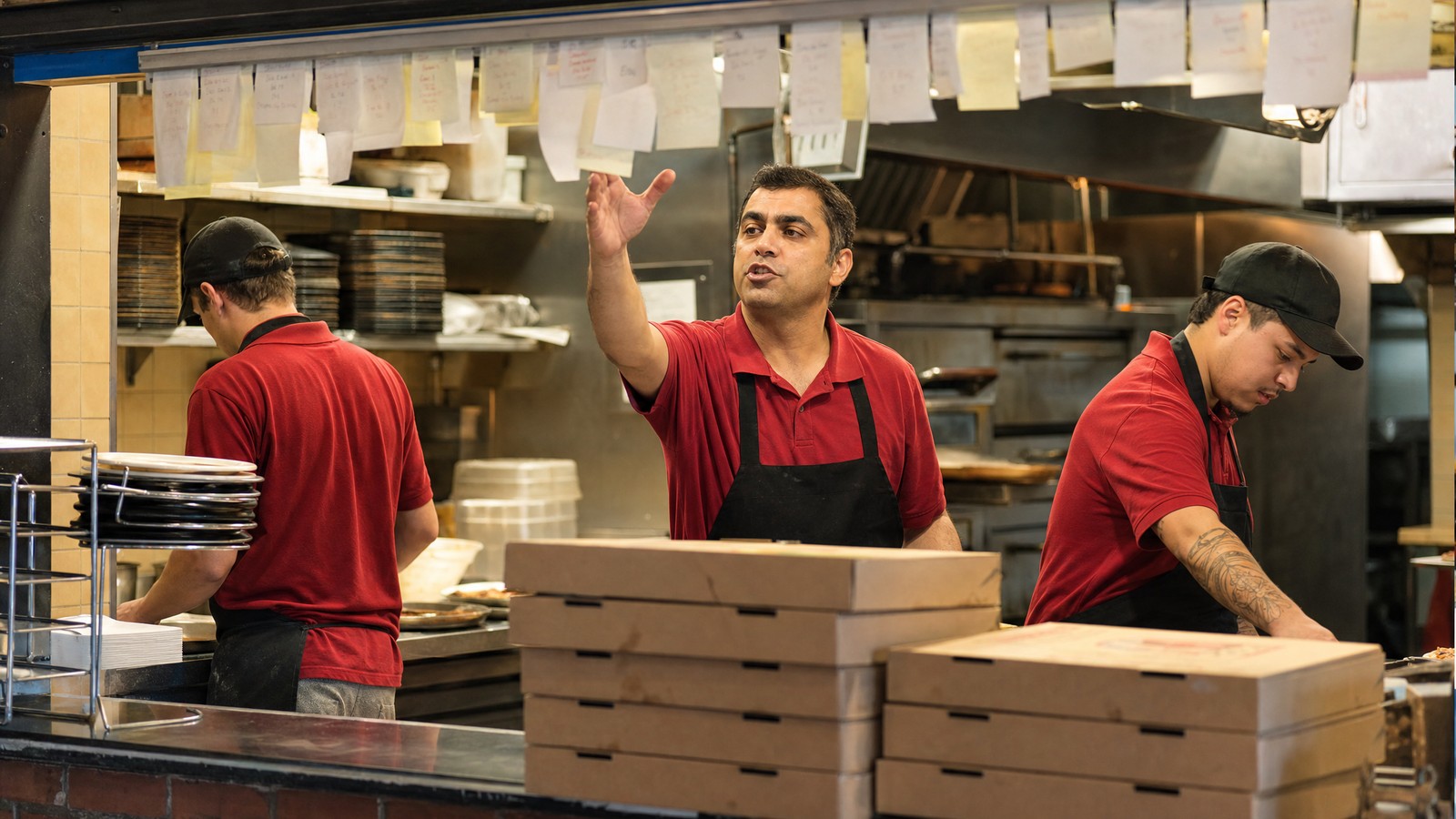
The lobby is full. A soccer team just walked in. Two drivers are waiting on the heat rack, three calls are on hold, and online orders keep landing. Then the kitchen screen freezes.
Your crew does what crews have always done. Someone grabs a pad, tickets go up on the rail by hand, and the manager starts calling orders out loud. It holds for about ten minutes. After that, remakes pile up, drivers leave late, and the phone starts ringing with people asking where their pizza is.
So you call your POS provider. What happens in the next few minutes decides whether you lose fifteen minutes or the whole night.
“24/7” Is a Promise With Fine Print
Nearly every POS vendor advertises around-the-clock support. On a sales sheet, the words look the same. In practice, they cover very different things.
For some providers, 24/7 means an after-hours voicemail and a callback. For others, it means a ticket you fill out while the rush keeps going. One pizza POS provider’s published service terms set a goal of responding to a store-down issue within 60 minutes and resolving it within four hours, with lower-priority issues handled during business hours.
Four hours is a reasonable goal on paper. On a Friday night, it’s the whole dinner rush.
Business hours rarely line up with a pizzeria’s hours either. Much of the week’s volume lands on nights and weekends, exactly when a typical office is closed.
Ask how fast a person picks up, how often the first call fixes it, and who is on the other end. Those three answers tell you more than “24/7” ever will.
What Real POS Support Should Include
Support is easy to promise and hard to measure, so measure it. Here is the standard worth holding any POS provider to.
- A person on the line in about a minute. No phone tree, no web form, no callback window. When orders are stacking up, the clock matters more than anything else.
- A fix on the first touch. Every transfer and every callback costs time you don’t have. Strong support teams resolve most issues on the first contact.
- People who know a pizza shop. U.S.-based staff, never outsourced, who understand what half-and-half orders, driver dispatch, and a Friday online-order spike look like from your side of the counter.
- No meter running. Support should be included in your contract. Per-call fees and after-hours tiers make operators hesitate before they call, and that hesitation costs more than the fee.
- Help beyond the outage. Good support covers hardware and software, and it helps you get more out of the features you’re already paying for.
96%
of Adora support tickets are resolved on the first touch. The average wait to reach a person is about one minute, at any hour of any day.
Find out who picks up before you need them.
See how Adora’s cloud POS, kitchen display, online ordering, and driver dispatch work together, backed by U.S.-based support 24/7/365.
Schedule a Demo →
Why Pizza Raises the Stakes
Pizza volume comes in short, intense windows: Friday and Saturday dinner, game days, Halloween, the first snowy night of the year. A problem at 2 PM on a Tuesday is an annoyance. The same problem at 6:40 on a Friday can cost a night of sales and a few regulars’ patience.
Scale multiplies it. An owner with one shop can sometimes work around a frozen screen. An operator with 20 locations needs every general manager to get the same fast answer, and needs to know which store is struggling without driving across town. Adora lets owners see every store from a phone, so the first sign of trouble doesn’t have to be a manager’s text.
Adora was built inside a 300-location pizza chain. The people behind it have worked enough Friday nights to know what a frozen screen at dinner feels like.
Questions to Ask Before You Sign
Bring these to every POS demo. A vendor confident in its support will answer with numbers.
- What is your average wait to reach a live person at 7 PM on a Saturday?
- What percentage of issues do you resolve on the first contact?
- Is your support team U.S.-based, and is any of it outsourced?
- Is support included in the contract, or are there per-call or after-hours fees?
- What are your published response and resolution times for a store-down issue?
For the rest of the evaluation, our 12 questions every pizzeria owner should ask a POS vendor is a good place to start.
Never Left on Read
Part of good support is having less to fix. Adora is cloud-native, so there is no server in the back office to fail, and updates show up on their own.
When something does go wrong, Adora support is U.S.-based and live 24/7/365, never outsourced, and included in every contract with no per-call fees. The average wait is about one minute, and 96% of tickets are resolved on the first touch.
At 6:40 on a Friday, that means a person who knows pizza picks up, fixes the problem, and gets you back to the rush. See it for yourself in a working session with our team.
Sources & Data
Adora support availability, average wait, and one-touch ticket resolution rate: Adora POS internal support data. Store-down response and resolution goals: one pizza POS provider’s published service terms, reviewed October 2026. Adora founding story: Adora About Us.