A pizzeria’s day starts before the doors open and ends long after the last delivery. POS problems keep the same hours, so your support should too.
The TL;DR
Pizzerias need POS help across a long day: before open, at lunch, through the dinner rush, at close, and after hours.
Almost 90% of pizza is eaten at lunch or dinner, so the costliest problems land when the shop is busiest.
Adora support is U.S.-based, live 24/7/365, and never outsourced, with an average wait of about one minute and a 96% one-touch ticket resolution rate.
A cloud-native POS means fewer calls to begin with: no server in the store, automatic updates, and an automated batch close.
A Pizzeria’s Day Doesn’t Keep Business Hours
Prep starts mid-morning. Lunch peaks around noon. The dinner rush runs from five o’clock until the last driver gets back. Then someone counts the drawer, runs the reports, and locks up. Around midnight, the owner logs back in to set tomorrow’s special.
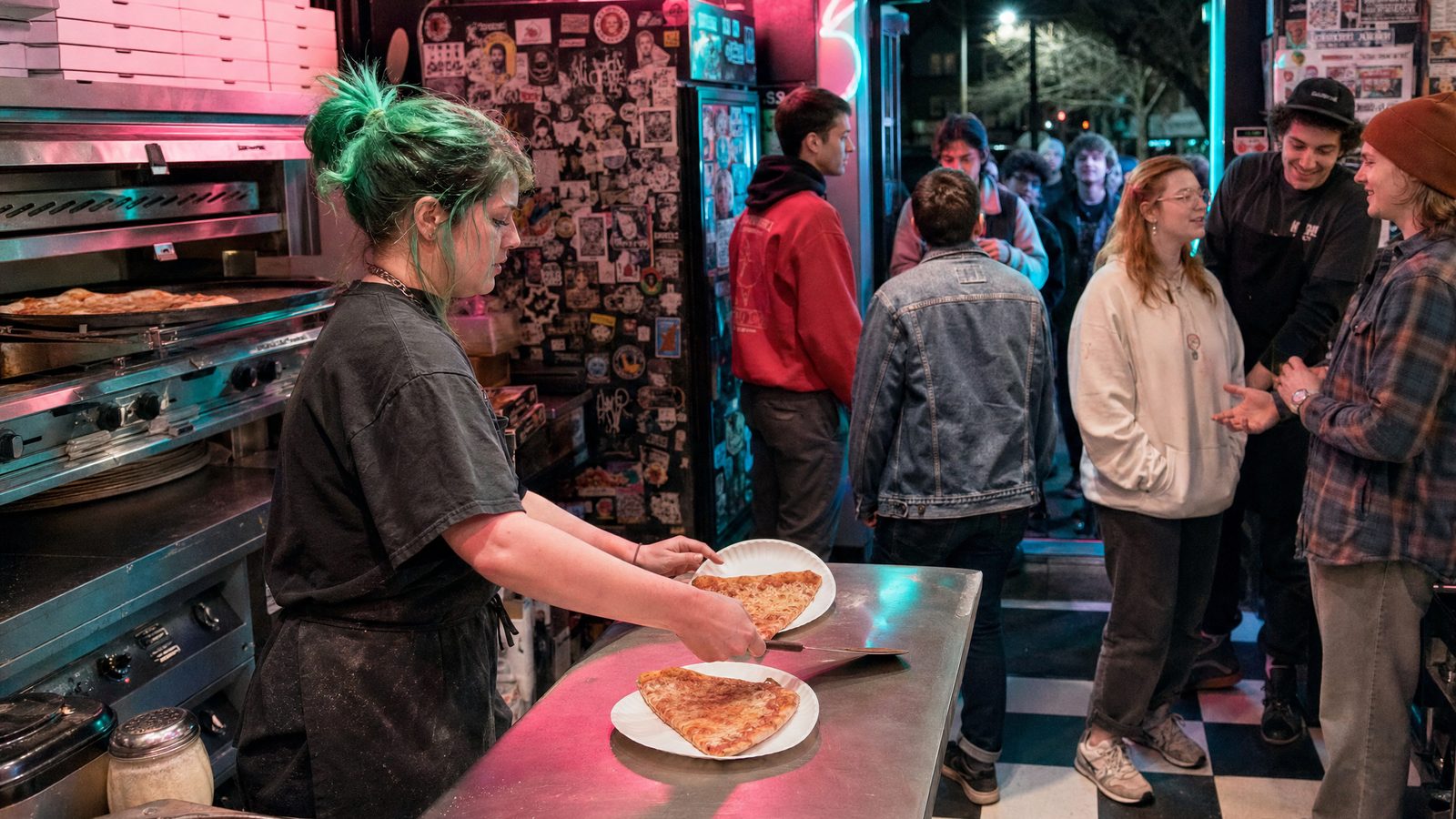
POS problems follow the same clock. USDA data shows almost 90% of pizza is eaten at lunch or dinner, so the issues that cost the most money show up in the two windows when a shop can least afford to wait. A lot of the rest happens after the doors lock. Pizzeria POS support has to cover all of it.
| When | What’s Happening | What Can Go Wrong |
|---|
| Before open | Prep, crew arriving, today’s special going live | A printer won’t connect, or a price change needs to post before lunch |
| Lunch | Counter, phone, and online orders at once | A card reader drops, or online orders stop printing |
| Dinner rush | Peak volume across every channel | The kitchen display freezes, or dispatch backs up |
| Close | Drawer counts, batch close, tip pooling | Deposits don’t tie out, or a report won’t run |
| After hours | Owners updating menus, schedules, and settings | Something has to be fixed before tomorrow’s open |
Typical issues by daypart. Every shop’s clock runs a little differently, and late-night slice shops add a third peak.
Rush Hour: When Minutes Cost the Most
Saturday, 6:45 PM. Online orders stop printing in the kitchen. Nobody notices until a customer walks in for a pickup that was never made, then another, then a third. By the time the manager figures out what’s wrong, the phone is ringing with people asking where their pizza is.
During a rush, support is measured in minutes. With Adora, the average wait to reach a live person is about one minute, and most calls end with the problem fixed.
96%
of Adora support tickets are resolved on the first touch. No transfers, no callbacks, no “we’ll get back to you Monday.”
Knowing pizza speeds that up. When an operator says “my modifier buttons stopped working” or “my half-and-halfs are printing wrong,” the person on the line shouldn’t need it explained. Adora support is U.S.-based and never outsourced, and it supports a POS that was built for pizza from day one.
After Hours: The Work Nobody Sees
The last order goes out, and the second shift starts. Someone closes the batch, counts the drawer, and splits the tips. Adora automates batch close and reconciliation and builds the tip pooling distribution report for you, so close goes faster and the numbers tie out.
Then the owner gets to work. Tomorrow’s special needs a price. Next week’s schedule needs a driver. Adora lets owners make menu and price changes from anywhere, and the Adora Connect app gives managers mobile access to scheduling, KPI dashboards, and real-time store data. If something doesn’t look right at 1 AM, a live person still answers.
A pizzeria’s day doesn’t end when the doors lock. Its support shouldn’t either.
Support for every hour your shop keeps.
See Adora’s cloud POS, kitchen display, online ordering, and dispatch, backed by U.S.-based support 24/7/365 with no per-call fees.
Schedule a Demo →
The Best Support Call Is the One You Never Make
Fast support matters. Fewer problems matter more. A lot of what sends operators to the phone comes from the system itself: a back-office server that fails, an update that has to be installed by hand, or proprietary hardware that only the vendor can replace.
- No server in the store. Adora is cloud-native and browser-based, so there’s no back-office box to crash on a Friday night.
- Updates that just show up. Software updates push automatically, with no downtime and no manual patches.
- Hardware you choose. Adora runs on tablets, iPads, laptops, and standard terminals, so you aren’t waiting on one vendor’s proprietary device.
- Early warnings. Alerts on sales, labor, and queue times reach managers by app, email, or text, so a slowdown gets noticed before it becomes a pileup.
Built by People Who Have Worked the Rush
Adora was built inside a 300-location pizza chain, with features like delivery zone management and driver dispatch that a pizzeria uses every night. The support model comes from the same understanding: problems don’t wait for business hours, so help can’t either.
Here’s what every Adora customer gets:
- Live support 24 hours a day, 365 days a year
- A U.S.-based team that is never outsourced
- An average wait of about one minute
- A 96% one-touch ticket resolution rate
- Support included in every contract, with no per-call fees
Comparing providers? Here’s what 24/7 POS support should actually include, and the questions to ask before you sign.
Your POS should be the most reliable thing in the building. If it isn’t, see how Adora handles every hour of your day.